Premium Peptides · Research & Education

Anti-Aging & Longevity Research

Explore compounds attracting attention in healthy-aging research — from cellular energy and repair signaling to collagen support and growth-hormone pathways.

Featured Videos

Hear the research explained

Selected educational discussions related to this area. Videos open in a new tab so this page stays open.

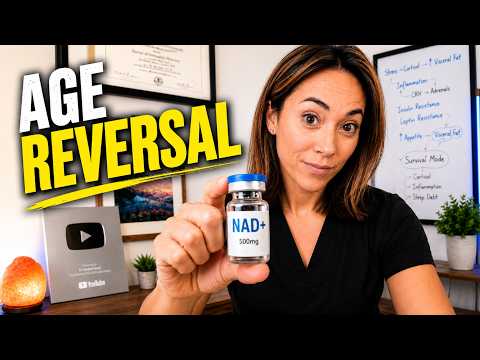
NAD+ Explainer
▶

NAD+ Explainer

An accessible discussion of NAD+ and why cellular-energy research has made it a major longevity topic.

Watch on YouTube ↗
Dr. Admits — I Was WRONG AGAIN About GHK-Cu
▶

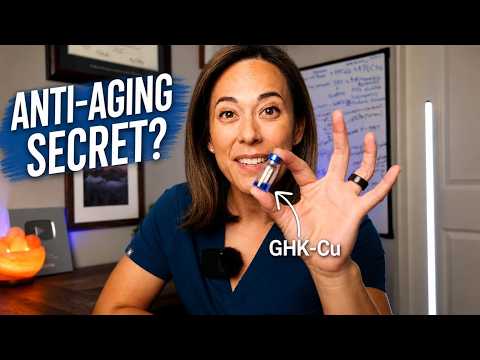
Dr. Admits — I Was WRONG AGAIN About GHK-Cu

A physician-led discussion of GHK-Cu and the evolving research around repair, skin and regenerative signaling.

Watch on YouTube ↗
GHK-Cu: Collagen, Muscle & Hair
▶

GHK-Cu: Collagen, Muscle & Hair

A doctor reviews the broad research interest surrounding the copper peptide GHK-Cu.

Watch on YouTube ↗
Why researchers are interested

Signals associated with repair, resilience and healthy aging

Longevity research increasingly focuses on preserving cellular energy, tissue quality and signaling pathways that change with age. Several compounds below are studied because they interact with those systems in distinct ways.

Cellular energyNAD+ is central to redox reactions and energy metabolism.
Tissue renewalGHK-Cu has been investigated in wound repair and extracellular-matrix signaling.
GH / IGF-1 signalingGHRH analogues are studied for their ability to stimulate endogenous growth-hormone pathways.
Featured peptide

GHK-Cu

Human + laboratory research

GHK-Cu is a naturally occurring copper-binding tripeptide that has drawn interest for collagen and extracellular-matrix remodeling, wound repair and regenerative signaling. Published reviews describe effects on genes associated with tissue repair and remodeling, while topical/cosmetic research has explored improvements in skin quality.

Research perspective: The positive case for GHK-Cu is its unusually broad repair-signaling profile. Evidence is strongest for topical/skin and wound-related research; claims beyond those areas should be interpreted according to the study model and formulation.
Cellular cofactor

NAD+

Human metabolism + translational research

NAD+ is essential to cellular energy metabolism and is also used by enzymes involved in DNA repair and cellular stress responses. Age-related changes in NAD metabolism have made the pathway a major focus of longevity science.

What makes it interesting: Human studies of NAD-precursor strategies have demonstrated that NAD-related metabolites can be increased, although whether that translates into specific anti-aging outcomes is still being defined.
Peptide

CJC-1295

Human pharmacology research

CJC-1295 is a long-acting GHRH analogue. In controlled human research, single injections produced dose-dependent increases in growth hormone and IGF-1, with effects persisting for days.

Published study protocol: Early human pharmacology studies evaluated single doses in the approximately 30–60 μg/kg range among other dose levels. This describes a research protocol, not a dosing recommendation. Find the published CJC-1295 research ↗
Peptide

Ipamorelin

Growth-hormone secretagogue research

Ipamorelin is a selective ghrelin-receptor agonist studied for stimulating pulsatile growth-hormone release. Its selectivity is a major reason it remains of interest in peptide research.

Research on CJC-1295 and ipamorelin separately supports their effects on GH signaling; the popular combination itself has much less controlled human outcome data than either mechanism is sometimes assumed to have.

Research sources

Research-use information: Published study amounts are included to describe the scientific literature, not as instructions for self-administration. Product status, approved uses and regulations vary by compound and jurisdiction.
WhatsApp