
▶
Doctor Reveals the Peptide That Builds Collagen, Muscle & Hair
A physician reviews GHK-Cu and why its collagen, repair and hair-related biology has attracted attention.
Watch on YouTube ↗GHK-Cu sits at the center of this research category, with published work exploring collagen, extracellular-matrix remodeling, wound repair and hair-follicle biology.
Selected educational discussions related to this area. Videos open in a new tab so this page stays open.
A physician reviews GHK-Cu and why its collagen, repair and hair-related biology has attracted attention.
Watch on YouTube ↗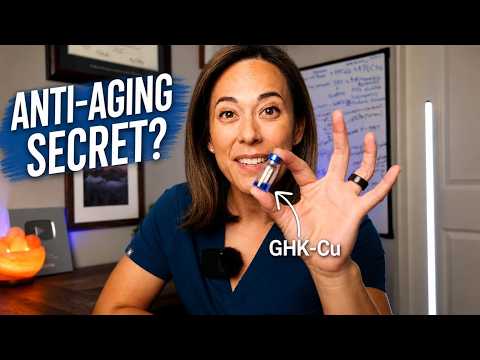
A doctor revisits GHK-Cu as the evidence and understanding of this copper peptide continue to develop.
Watch on YouTube ↗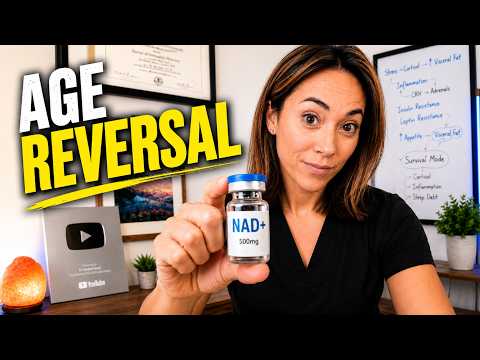
Related longevity education on cellular-energy pathways that intersect with broader healthy-aging research.
Watch on YouTube ↗GHK-Cu occurs naturally in human plasma and binds copper. Research interest comes from its effects on extracellular-matrix remodeling and signaling associated with tissue repair — particularly collagen, elastin and wound-related pathways.
Among cosmetic peptides, GHK-Cu has one of the more compelling research stories. It has been investigated for collagen production, extracellular-matrix remodeling, wound repair, antioxidant/anti-inflammatory signaling and skin regeneration.
KPV is a short peptide fragment derived from α-MSH that is studied for anti-inflammatory signaling. Its ability to modulate inflammatory pathways makes it an interesting research candidate where skin irritation and inflammatory biology are relevant.
Animal and laboratory studies have explored BPC-157 in wound and tissue-repair models, including angiogenic and repair-related pathways. This creates an interesting scientific overlap with regenerative-aesthetics research.