▶
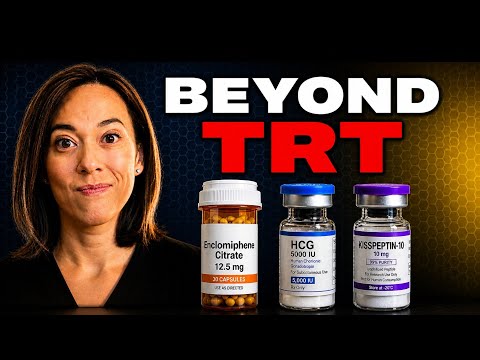
Optimizing Testosterone Is NOT One-Size-Fits-All
A physician discussion of TRT, HCG, enclomiphene and the broader hormonal context of muscle and performance.
Watch on YouTube ↗Peptide research around growth-hormone signaling, IGF-1, tissue repair and recovery continues to attract interest in body-composition and performance science.
Selected educational discussions related to this area. Videos open in a new tab so this page stays open.
A physician discussion of TRT, HCG, enclomiphene and the broader hormonal context of muscle and performance.
Watch on YouTube ↗
A doctor reviews peptide combinations commonly discussed in muscle-growth and recovery settings.
Watch on YouTube ↗
A physician-led explanation of two widely discussed growth-hormone secretagogues and why they are paired.
Watch on YouTube ↗Muscle adaptation depends on training, nutrition, sleep and endocrine signaling. Peptide research adds another layer by examining pathways involved in growth-hormone release, IGF-1 signaling and tissue repair.
CJC-1295 stimulates the GHRH pathway, while ipamorelin acts through the ghrelin receptor. This complementary biology explains why the combination is frequently discussed in performance and recovery circles. Human CJC-1295 research has shown substantial, sustained increases in GH and IGF-1.
BPC-157 has produced notable findings in animal models involving tendon, ligament, muscle and gastrointestinal tissue repair. That preclinical repair profile is the principal reason it has become so prominent in recovery-focused peptide discussions.
Thymosin-β4 is involved in cell migration, actin regulation and wound-healing biology. Research has explored its potential role in tissue repair, angiogenesis and recovery, which drives interest in thymosin-related peptides.